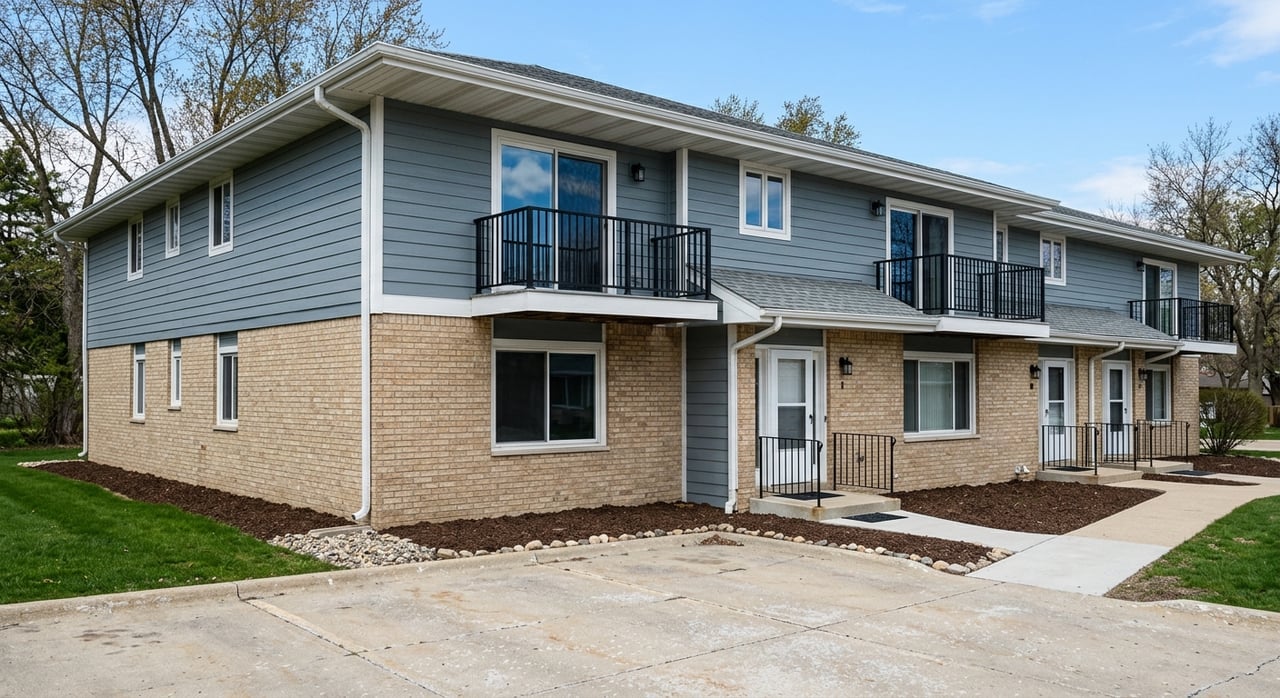
If you like the idea of homeownership in Plymouth but do not want the upkeep that often comes with a detached house, a townhome or condo may be a smart fit. You may be looking for a lower-maintenance lifestyle, a more approachable price point, or a home close to commuting routes, shopping, and recreation. The good news is that Plymouth offers a meaningful range of attached housing options, and the right choice usually comes down to how you want to live day to day. Let’s dive in.
Why attached homes matter in Plymouth
Plymouth is a strong suburban market with a high rate of owner occupancy. Census QuickFacts reports a 75.1% owner-occupied housing rate, and the median owner-occupied home value is $491,200.
Attached housing also plays a major role in the city’s overall housing mix. Plymouth’s 2040 housing plan reported that multiple-family housing, including duplexes, townhomes, and apartments, made up 47% of the housing stock as of 2015.
That matters if you are trying to balance lifestyle and budget. In a city known for parks, trails, shopping, entertainment, and convenient access to I-494 and Highway 55, townhomes and condos can offer a way to stay in Plymouth without taking on every exterior chore yourself.
Condo vs. townhome in Minnesota
One of the most important things to know is that the marketing label does not always tell the full story. In Minnesota, the legal structure of the property matters more than whether a listing is casually called a condo or a townhome.
Under the Minnesota Common Interest Ownership Act, many attached homes fall into a common interest community, often called a CIC. A condominium is one type of CIC, while many townhomes are legally planned communities instead.
That means two homes that look similar from the street can come with very different ownership terms and maintenance responsibilities. Before you fall in love with a floor plan, it is worth confirming exactly how the property is structured in its declaration and governing documents.
What a condo often means
In a condominium, portions of the property are designated as units, and owners also hold an undivided interest in the common elements. In plain English, that usually means you own your unit and share ownership of certain common areas with other owners.
Depending on the development, common elements may include hallways, exterior spaces, parking areas, or shared amenities. The exact details should always come from the association documents.
What a townhome often means
Many Plymouth properties marketed as townhomes are legally planned communities. A planned community is a CIC that is not a condominium or cooperative under Minnesota law.
For you as a buyer, the practical takeaway is simple: do not assume a townhome always means the same thing from one community to another. Ownership boundaries, insurance responsibilities, and maintenance duties can vary.
How maintenance responsibility works
For many buyers, the biggest real-world difference is maintenance. Minnesota law says the association is generally responsible for maintenance, repair, and replacement of common elements, while the unit owner is responsible for the unit itself, unless the declaration says otherwise.
That last part is key. The declaration can shift responsibilities, so you need to review what the HOA handles and what you handle before you buy.
A lower-maintenance lifestyle can be a real advantage, but it is not the same in every community. Some associations may cover more exterior work and common-area upkeep, while others may leave more responsibility with the owner.
Questions to ask about upkeep
Before you move forward, ask for clear answers to these questions:
- What exactly is considered part of the unit?
- What areas are considered common elements?
- What exterior maintenance does the association cover?
- Are owners responsible for any roofs, decks, patios, or windows?
- Are there approval requirements for exterior changes?
These answers can shape both your monthly costs and your long-term expectations.
Plymouth price ranges and entry points
One reason many buyers consider condos and townhomes in Plymouth is price. Redfin’s current market snapshot showed 25 condos and 102 townhouses for sale last month, which points to a meaningful share of active inventory in attached homes.
The citywide median sale price for all home types was reported at $506,000 in March 2026. In Plymouth-Wayzata, Redfin reported 73 townhouses for sale at a median listing price of $419,000, while the neighborhood’s all-home median sale price was $560,000 in March 2026.
That does not mean every condo or townhome will be less expensive than every detached home, but it does suggest attached housing can create a lower entry point in a market where many buyers still face relatively high suburban prices.
What buyers can expect by price
Recent Plymouth listing snapshots show a wide range. Entry-level one-bedroom condos were listed around $139,900 and $169,500, while two-bedroom attached-home examples appeared around $182,900 and $324,900.
As prices move up, layouts and features often change too. Lower-priced condos may offer one-level living and shared amenities, while higher-priced townhomes may include more square footage, attached garages, patios, lofts, or walkout lower levels.
Lifestyle differences to think through
A condo and a townhome can both offer convenience, but they often support slightly different day-to-day living patterns. The best choice depends on what matters most to you.
If you want simpler one-level living, shared amenities, and fewer exterior responsibilities, a condo may be worth a close look. Current Plymouth examples have included features such as underground parking, fitness space, sauna access, and dock access.
If you want more room to spread out, a private entrance, or an attached garage, a townhome may feel more like the right fit. Current examples in Plymouth have included multi-level layouts, patios, lofts, and walkout lower levels.
Quick comparison
| Feature | Condo | Townhome |
|---|---|---|
| Typical layout | Often one-level | Often multi-level |
| Shared spaces | Usually more common areas | Often fewer shared interior areas |
| Garage/parking | May include underground or shared parking | Often attached garage |
| Amenities | May include fitness, sauna, or dock access | May focus more on private living space |
| Ownership details | Verify unit and common elements | Verify whether it is a planned community or condo |
This table is only a starting point. The governing documents matter more than the label.
Where attached housing shows up in Plymouth
If location is high on your list, it helps to know where attached housing tends to cluster. The city’s planning materials point to City Center and the Highway 55 and I-494 corridor as especially important areas for residential density and attached housing growth.
Plymouth says City Center is about one mile west of I-494 on Highway 55. The city updated its zoning ordinance in September 2023 to allow residential development there as apartment, townhome, or mixed-use housing.
The city’s 494/55 small area plan also supports residential density aligned with highway BRT recommendations, with a minimum target of 20 units per acre. That makes this corridor important if you are looking for an area with growing housing options and strong transportation access.
Established attached-home pockets
Plymouth also has attached housing in more established communities, not just newer infill areas. Current listing snapshots show attached-home activity in places such as Chelsea Woods and Plymouth Creek.
Those examples suggest you can find different settings across the city. Some communities are closer to major routes and mixed-use activity, while others are tied to trails, wooded surroundings, or more established HOA neighborhoods.
Why the HOA matters so much
When you buy a condo or townhome in Plymouth, you are not only buying the home itself. You are also buying into a system of rules, budgets, records, and shared decision-making.
In many cases, the health of the association will affect your experience as much as the kitchen layout or bedroom count. That is why HOA review deserves the same attention as your showing schedule.
Minnesota law requires annual budgets to provide adequate reserve funds. It also requires associations to keep records that owners can reasonably inspect.
HOA documents to review
Minnesota resale requirements make several documents especially important. Sellers in a common interest community must provide materials that include:
- The declaration
- Bylaws
- Articles
- Rules
- Resale disclosure materials
- The most recent financial statement or current budget
- Information on outstanding judgments or pending lawsuits
Minnesota law also requires resale paperwork to include governing documents and a resale disclosure certificate dated within 90 days of the purchase agreement or conveyance.
Questions to ask before you buy
Use these questions to guide your review:
- What is the legal structure of this community?
- Can I review the declaration, bylaws, rules, and any master association documents?
- What does the current budget show?
- Are reserve funds adequate for expected repairs?
- Are there pending lawsuits or judgments?
- Are any major repairs or special assessments being discussed?
- Are there pet rules, parking rules, or approval requirements?
- Are there rental caps or restrictions?
These questions can help you avoid surprises after closing and give you a clearer picture of the total cost of ownership.
Rental rules and future flexibility
Even if you plan to live in the home yourself, it is smart to think ahead. Your needs can change over time, and some buyers want the option to rent the property later.
That makes rental rules especially important in attached housing. The association may limit rentals, cap the number of rented units, or require approvals.
Plymouth’s rental rules matter too. If the home will be used as a rental, buyers should confirm whether Plymouth requires a rental dwelling license for that use.
How to choose the right fit
A good decision usually comes down to three things: your lifestyle, your monthly budget, and your comfort with HOA governance. If you want a simpler setup and shared amenities, a condo may check the right boxes.
If you want more space, a garage, and a layout that feels closer to a traditional house, a townhome may be the better match. Neither option is automatically better. The right answer depends on how you want to live and what responsibilities you are comfortable taking on.
In Plymouth, that choice matters because attached housing spans a broad range of prices, locations, and ownership structures. Taking time to understand the documents, the association, and the day-to-day lifestyle can help you buy with more confidence.
If you are comparing condos and townhomes in Plymouth and want patient, local guidance, Avenues & Acres Home Team can help you sort through the details and find the fit that matches your goals.
FAQs
What is the difference between a condo and a townhome in Plymouth, Minnesota?
- In Plymouth, the key difference is often the legal structure under Minnesota law, not just the marketing label. Many townhomes are legally planned communities, while condos are a specific type of common interest community.
What HOA documents should you review before buying a Plymouth condo or townhome?
- You should review the declaration, bylaws, articles, rules, resale disclosure materials, current budget or most recent financial statement, and any information about pending lawsuits or judgments.
What should you ask about HOA fees in a Plymouth attached home community?
- Ask what the fees cover, how reserve funding looks, whether major repairs are planned, and whether any special assessments are being discussed.
Where are townhomes and condos commonly found in Plymouth, Minnesota?
- City planning materials point to City Center and the Highway 55 and I-494 corridor as key areas for attached housing, and current listings also show attached-home communities in established parts of Plymouth such as Chelsea Woods and Plymouth Creek.
Can you rent out a condo or townhome in Plymouth later on?
- Maybe, but you need to verify both the association’s rental rules and whether Plymouth requires a rental dwelling license for that use.
Are condos and townhomes usually more affordable than single-family homes in Plymouth?
- They can be a lower entry point in many cases. Recent market snapshots showed attached homes listed from the high five figures into the mid-$300,000s, while the citywide median sale price for all home types was higher.